
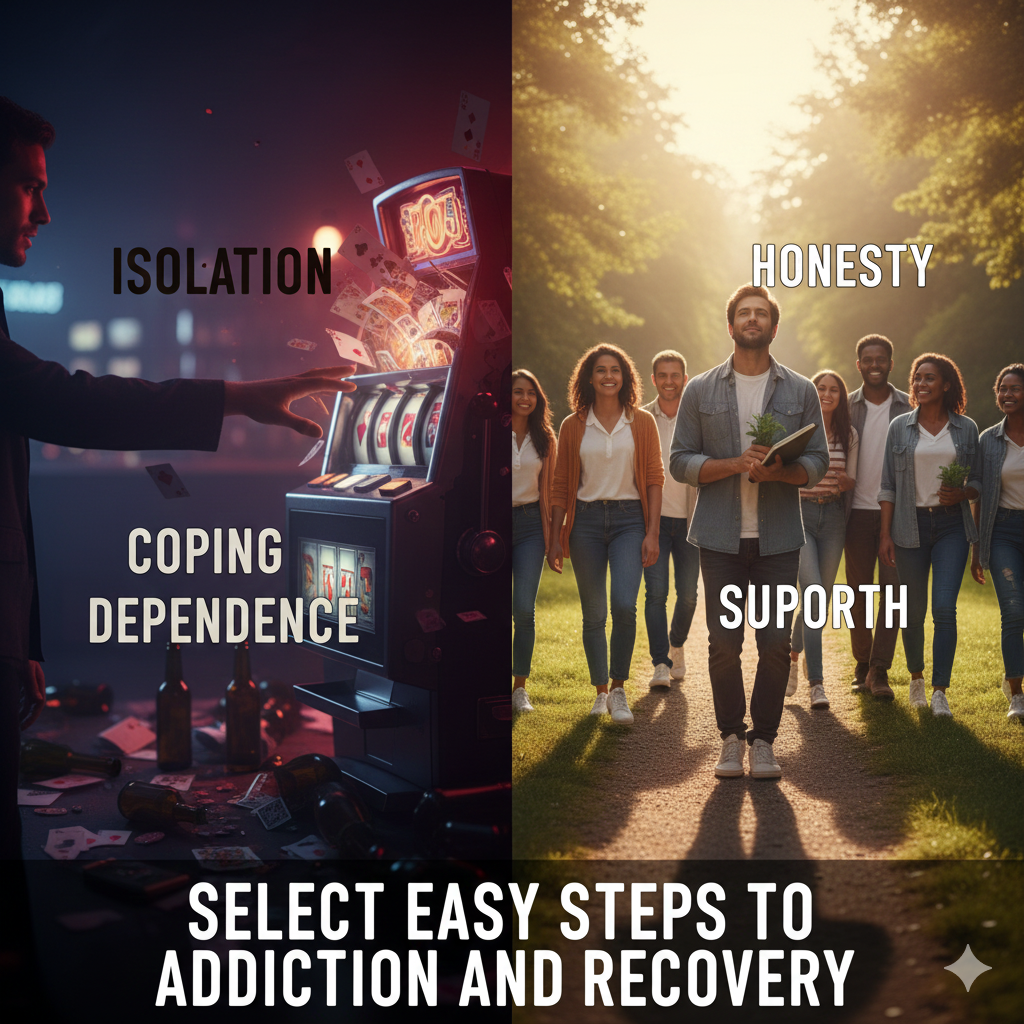
The Extraction Phase: A Tactical Guide to Overcoming Addiction
Let’s be direct: Addiction is a battle for territory within your own body and mind. The reason many fail is that they try to fix the mind while the body is still compromised by toxins. Recovery isn’t just about willpower; it’s about biological clearance.
If you’re ready to take back your life, you need to treat your recovery like a high-stakes maintenance project. Here is the operational breakdown for clearing the system and holding the line.
Step One: System Detoxification
- Step One: System Detoxification
The chemicals from meth, heroin, or crack don’t just disappear; they lodge themselves in your tissues. To recover, you must flush the engine—specifically focusing on the liver, your body’s primary filtration plant.
Sweat Therapy (Sauna): Excessive sweating is one of the most effective ways to mobilize and excrete chemicals stored in your fat cells. Toxins leave the body through sweat, lung vapor, and sebum.
The Niacin Protocol: When using saunas, supplement with Niacin (Vitamin B3). Niacin helps mobilize fatty acids, which in turn releases the trapped chemicals into the bloodstream to be flushed out.
Replenish the Essentials: Sweating flushes out toxins, but it also depletes vitamins. You must take a high-quality vitamin supplement during this phase to prevent deficiencies that could trigger a relapse or physical crash.
Physical Upkeep and Mobilization
- Physical Upkeep and Mobilization
Exercise is not a “suggestion” in recovery; it is a tactical requirement. It forces the blood to circulate and helps your organs process the remaining chemical residue.
Consult the Pros: Before hitting the weights or the pavement, check with a doctor or physical instructor. They can help you determine the right intensity for your current health status.
Daily Execution: Aim for daily movement. The goal is to keep the metabolic fire burning so your body can complete the detoxification process.
Professional Reconnaissance
- Professional Reconnaissance
You cannot win this war in isolation. Admitting there is a problem is the first step of the counter-offensive.
Medical Evaluation: A doctor or specialist needs to evaluate the severity of your case. Treatment often takes several months; accept the timeline and stay the course.
Support Institutions: Connect with local rehab centers and support groups. These are your “intelligence units” that provide the tools and experience you lack.
Holding the Line: Behavior and Support
- Holding the Line: Behavior and Support
Detoxification cleans the body, but behavior keeps it clean. The risk of a relapse is always present, and you must remain vigilant.
The Family Unit: Your family is your primary support squad. Their understanding and encouragement are essential to your success. If you are a family member of someone in recovery, know that your presence is a critical factor in their survival.
Behavioral Shifts: You must be willing to change your environment and your habits. If you go back to the same places with the same people, you invite the same results.
Continuous Monitoring: Recovery is a marathon, not a sprint. Continued monitoring and check-ins are required to ensure the system stays clean.
The Bottom Line
Winning against addiction requires a combination of biological detox, physical discipline, and emotional support. It is a difficult adjustment, and the “withdrawal” phase will test your resolve. But if you are dedicated to a total recovery, the body has an amazing ability to heal itself once the toxins are gone.
Take your health into your own hands. Seek immediate medical attention and start the extraction today.

A lot of quality information in one place
Great stuff ta