Bipolar Disorder: The Science of Recalibrating Your Brain
Let’s get the facts straight: Bipolar disorder is a recurrent medical condition, not a personality flaw. Clinical studies show that the “highs” and “lows” you experience are driven by specific chemicals flooding the brain, triggering excessive activity that throws your system out of gear.
Because this is a biological issue, the solution must be biological. We have to aim treatments directly at the brain to bring it back to proper functioning. It’s not a “quick fix,” but with patience and the right strategy, you can get back in the game.
The Tactical Response: Medication and Stability
Achieving a “normal” baseline takes hard work. Modern medicine uses specific tools to strengthen the brain’s ability to inhibit abnormal functions.
Mood Stabilizers: These are the frontline defense. They work by repressing hyperactive brain signals to prevent manic episodes.
The Anti-Depressant Risk: Here is a reality check: taking anti-depressants alone to fight the “lows” can actually trigger a manic episode or a “bipolar defect.” These must be managed carefully by a professional.
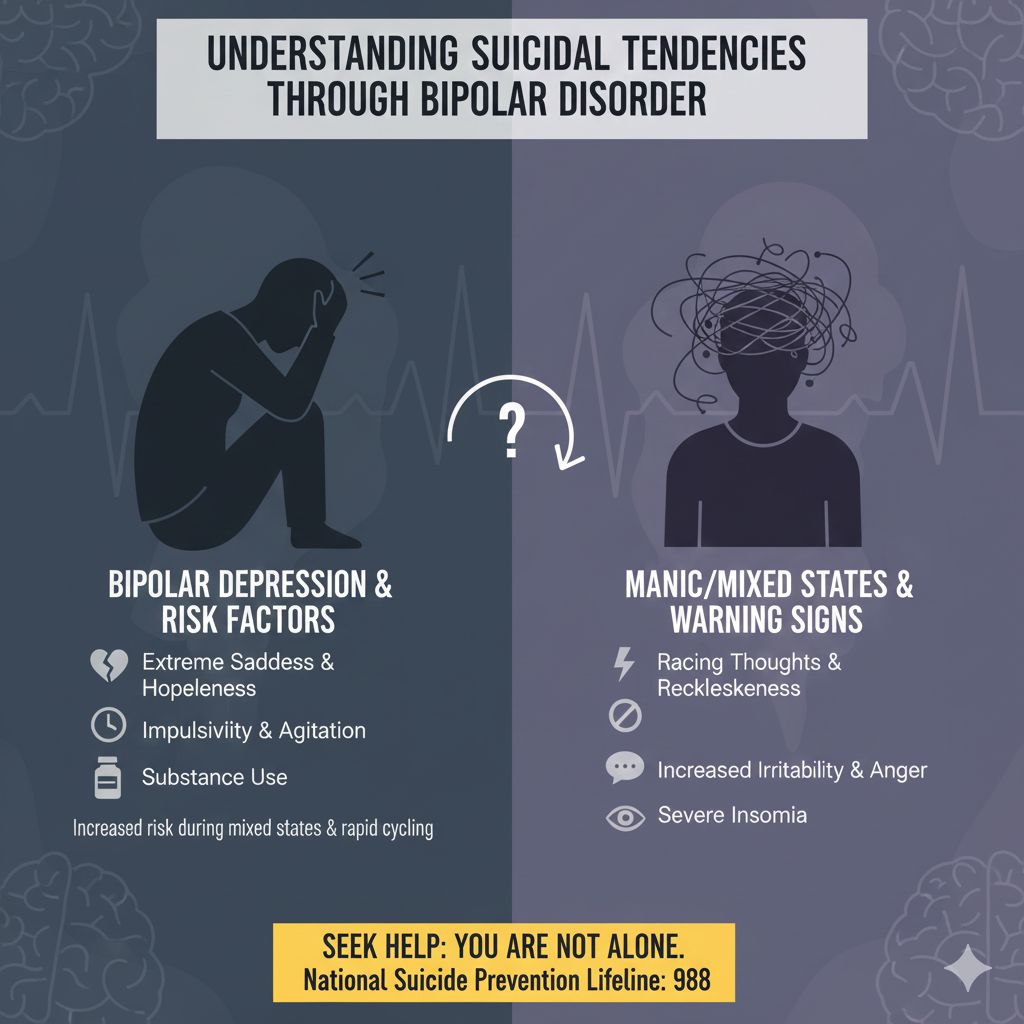
Managing Aggression: If you’re dealing with increased irritability or hair-trigger anger, clinical treatments are designed to dial back that intensity so you can think clearly.
Why Clinical Studies Matter to You
Why Clinical Studies Matter to You
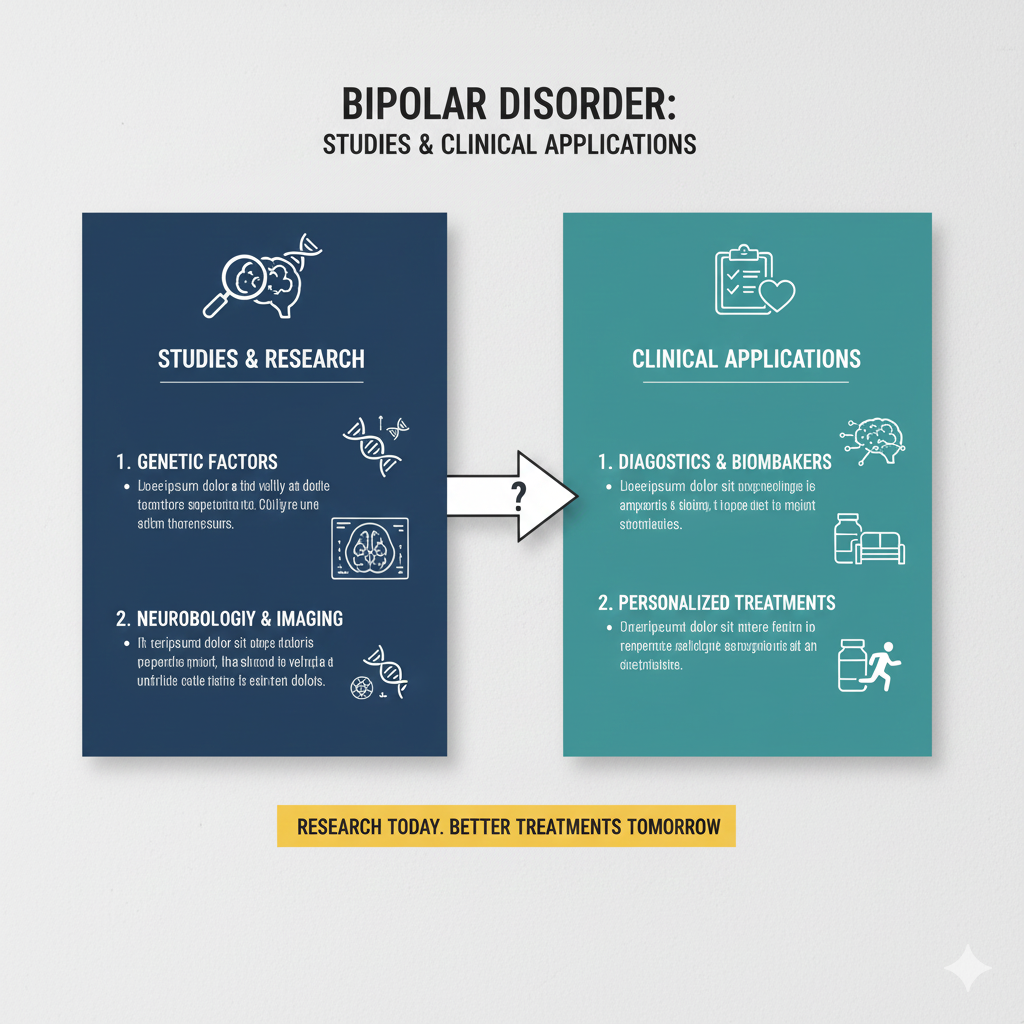
We know what we know because of rigorous scientific investigation. Many men living with this “bipolar tragedy” have stepped up as volunteers for clinical trials, providing the intel scientists need to save lives.
These studies provide us with critical data on:
Medication Efficiency: Identifying which combinations of drugs and psychotherapy actually produce behavioral results.
Prevention Reliability: Testing how well a procedure stops a relapse before it starts.
Pattern Recognition: Helping researchers understand the “why” and “how” behind the development of the illness.
Mind-Body Connection: Tracking how the progression of the disorder affects your physical health and mental clarity.
The Reality of Treatment-Resistance
The Reality of Treatment-Resistance
In the medical field, things don’t always go perfectly. Some men don’t respond to traditional treatments, even in crucial stages.
Risk vs. Reward: Before starting any new trial or aggressive treatment, you must weigh the potential benefits against the risks.
The New Generation: The NIMH (National Institute of Mental Health) has introduced “real-world” studies that move beyond traditional methods, using combinations of treatments to help those who haven’t found relief elsewhere.
Co-Occurring Threats: Alcohol, Drugs, and Anxiety
Bipolar disorder rarely travels alone. Often, it is tangled up with other lifestyle factors that make the situation more dangerous.
The Substance Loop: If your mood swings are fueled by heavy drinking or drugs, you’re looking at a two-front war. Alcoholism leads to liver cirrhosis and hypertension, while drugs perpetuate the mental instability.
The First Move: In these cases, the treatment is geared toward eliminating the substance abuse first. You can’t fix the house while the basement is still on fire.
The Anxiety Trigger: Conditions like Obsessive-Compulsive Disorder (OCD) and high-stress environments can trigger bipolar episodes. While these co-occurring issues can be treated with the same medications, they require a specific, dedicated approach.
The Bottom Line
The good news? This disorder is treatable, and many men return to healthy, productive lives with minimal recurrences. The bad news? It is difficult to diagnose and takes time to master.
Don’t wait for the next crash. If your moods are controlling you, it’s time to take the lead. You have the responsibility to yourself and your family to seek an expert who can help you recalibrate.