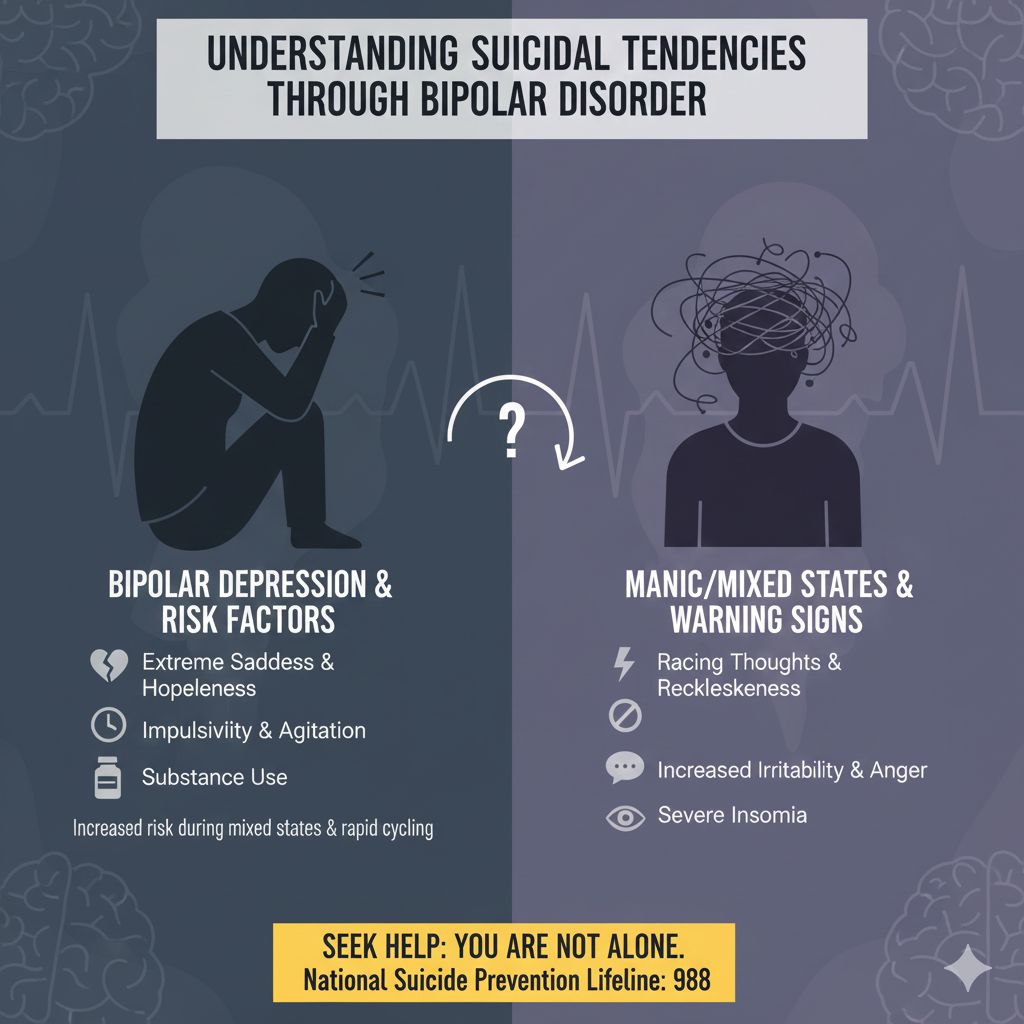

It takes a lot of grit to face a mental health crisis, especially when it involves someone you care about. Bipolar disorder isn’t just a “moody” phase; it is a serious medical condition that can’t be handled solo. As a friend, brother, or father, your role is pivotal.
Here is how you can step up, provide the necessary support, and navigate the road to recovery.
The Reality of the Battle
The Reality of the Battle
Bipolar disorder is often invisible to the person living with it. Many men and women mistake the symptoms for “normal” stress or personality quirks until the situation reaches a breaking point.
Awareness is key: Many people don’t seek help until the disorder is already striking hard.
The “Normal” Trap: Your loved one might think their behavior is just part of everyday life, making them resistant to seeing a doctor.
No One Wins Alone: Recovery is impossible without a solid support system. You are the frontline.
Taking Charge: Finding Professional Help
If you aren’t sure where to start, stop overthinking and start acting. You don’t need to be a doctor to get the ball rolling.
Start with the Family Physician: Ask for a referral to a specialist.
Look for Local Resources: Reach out to hospital psychiatric departments, university medical programs, or community mental health centers.
Utilize Support Groups: Organizations like NAMI (National Alliance on Mental Illness) offer resources not just for the patient, but for the family and friends as well.
The Hard Truth About Treatment
The Hard Truth About Treatment
There will be moments when you have to be firm. Supporting someone doesn’t always mean agreeing with them; sometimes, it means making the tough calls they can’t make for themselves.
Be Prepared for Hospitalization: If their safety—or the safety of others—is at risk, hospitalization may be necessary. It is emotionally draining, but it is an act of protection.
Total Support: Once they are in treatment, they need to know they still matter. Your presence and encouragement are the fuel for their recovery.
Patience is Mandatory: This is not a “quick fix” or a one-day scenario. It is a long-term commitment that requires persistence.
Understanding the Shifts
Understanding the Shifts
Bipolar disorder is unpredictable. One day may be marked by intense aggression; the next could be deep depression or a manic “high.”
Track the Intervals: Pay attention to the frequency and intensity of mood swings so you can provide accurate info to their physician.
Acknowledge the Pain: As hard as it is for you to manage their episodes, remember that they are the ones trapped inside the disorder.
Avoid the “Silent Treatment”: Don’t ignore the problem or act as if nothing is wrong. Ignoring the facts won’t make the disorder go away; it only delays healing.
The Bottom Line
The Bottom Line
Feeling overwhelmed is part of the process, but don’t let it paralyze you. Being ousted or “excommunicated” from society is the greatest fear for someone with a mental health disorder. Your job is to make sure they know they still have a place at the table.
Help is available the moment you decide to reach out for it.