
Understanding Bipolar Disorder: What Every Man Needs to Know
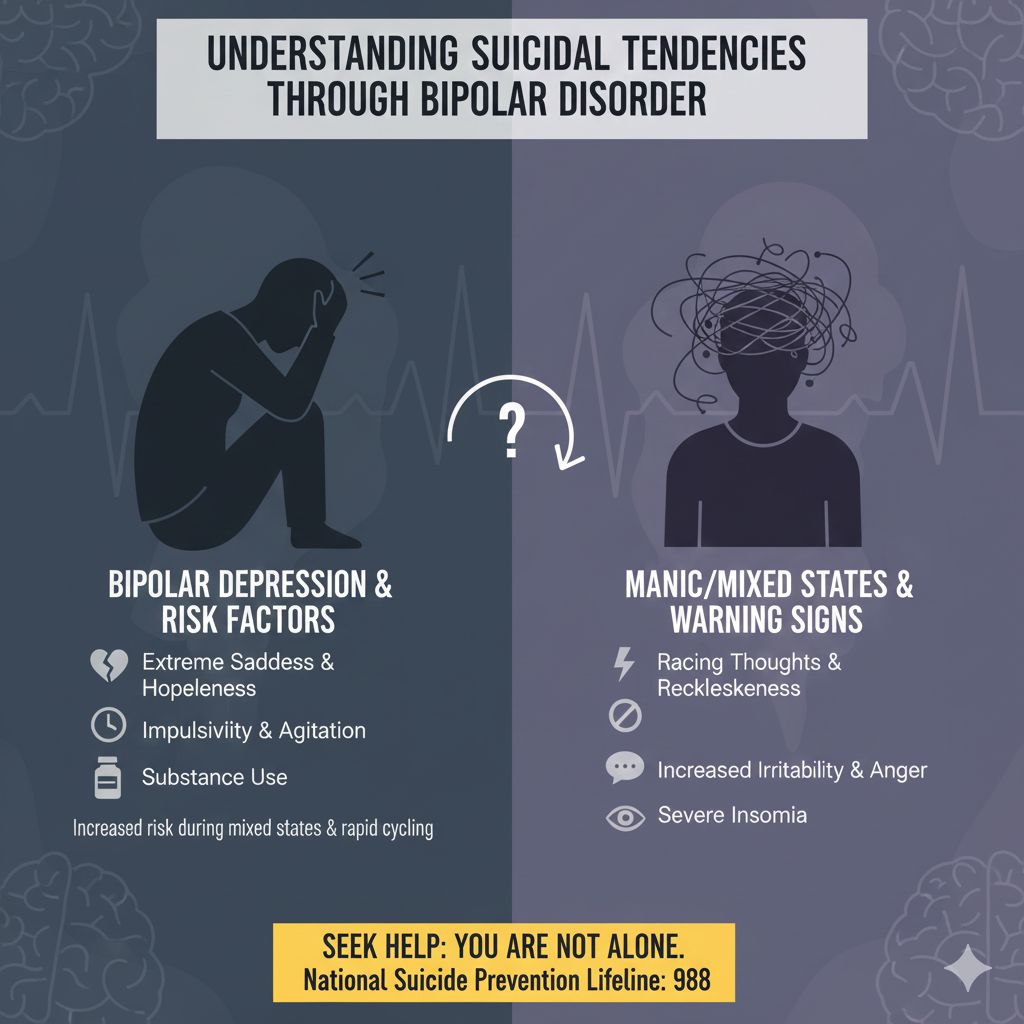
Bipolar disorder is often misunderstood as simple “moodiness,” but for the men living with it—and the families supporting them—it is far more complex. It isn’t just about having a bad day; it’s a serious psychological condition that oscillates between two extremes, often compared to the “Two-Face” persona: one side high-functioning and exuberant, the other struggling in darkness.
Left unchecked, this instability can derail a career, shatter relationships, and compromise your health. However, with the right approach and a bit of “firm footing,” it is entirely manageable.
What Exactly is Bipolar Disorder?
What Exactly is Bipolar Disorder?
Formerly known as manic-depression, this disorder is characterized by significant shifts in energy, mood, and activity levels. These aren’t fleeting emotions; these “episodes” can last for weeks or even months.
The Impact: It creates a ripple effect. When a man struggles with this instability, it affects his partner, his children, and his colleagues.
The Risk of Silence: Because many men are taught to “tough it out,” bipolar disorder is frequently underdiagnosed. Men often mistake these symptoms for ordinary stress, but untreated bipolar disorder can lead to reckless behavior and, tragically, high rates of suicide.
The Warning Signs: Knowing the Episodes
Bipolar disorder typically manifests in three distinct types of episodes. Recognizing them is the first step toward taking control.
Manic Episodes (The “High”)
- Manic Episodes (The “High”)
During mania, you might feel like you’re on top of the world, but this “energy” is often destructive.
Extreme mood elevation: Feeling invincible or overly “wired.”
Irritability: Snapping at loved ones over minor inconveniences.
Pressured speech: Talking faster than others can keep up with.
Reduced sleep: Feeling fully rested after only two or three hours.
Recklessness: Impulsive spending, risky sexual encounters, or poor business decisions.
Depressive Episodes (The “Low”)
- Depressive Episodes (The “Low”)
This is the crash. It’s more than just being tired; it’s a total loss of drive.
Profound emptiness: A lingering sense of sadness or hopelessness.
Loss of interest: No longer caring about hobbies, sports, or sex.
Physical fatigue: A total lack of energy or “heavy” limbs.
Cognitive fog: Inability to concentrate or make simple decisions.
Dark thoughts: Fixating on death or suicide.
Mixed Episodes
- Mixed Episodes
This is perhaps the most dangerous state—feeling the agitation and energy of mania combined with the hopelessness of depression.
Why Does This Happen?
If you are struggling, understand this: It is not a character flaw. It is a medical condition. While the exact cause is still being studied, science points to three main pillars:
Genetics: It often runs in the bloodline. If a relative has struggled with mood disorders, your biological risk is higher.
Brain Chemistry: Research shows that hormonal imbalances and shifts in neurotransmitters (the brain’s chemical messengers) change how the brain functions.
Environmental Stressors: Severe trauma, the loss of a loved one, or chronic high-stress environments can trigger the onset of the disorder in those who are predisposed.
The Bottom Line: Taking Action
Roughly three million Americans live with this disorder. The reality is firm: if you ignore it, it worsens. But there is a path forward.
Early diagnosis is the game-changer. With a combination of professional medical treatment, therapy, and lifestyle discipline, men with bipolar disorder can—and do—lead successful, high-quality lives.
Don’t wait for the next “crash” to seek help. Taking care of your mental health is the most responsible move you can make for yourself and the people who rely on you.