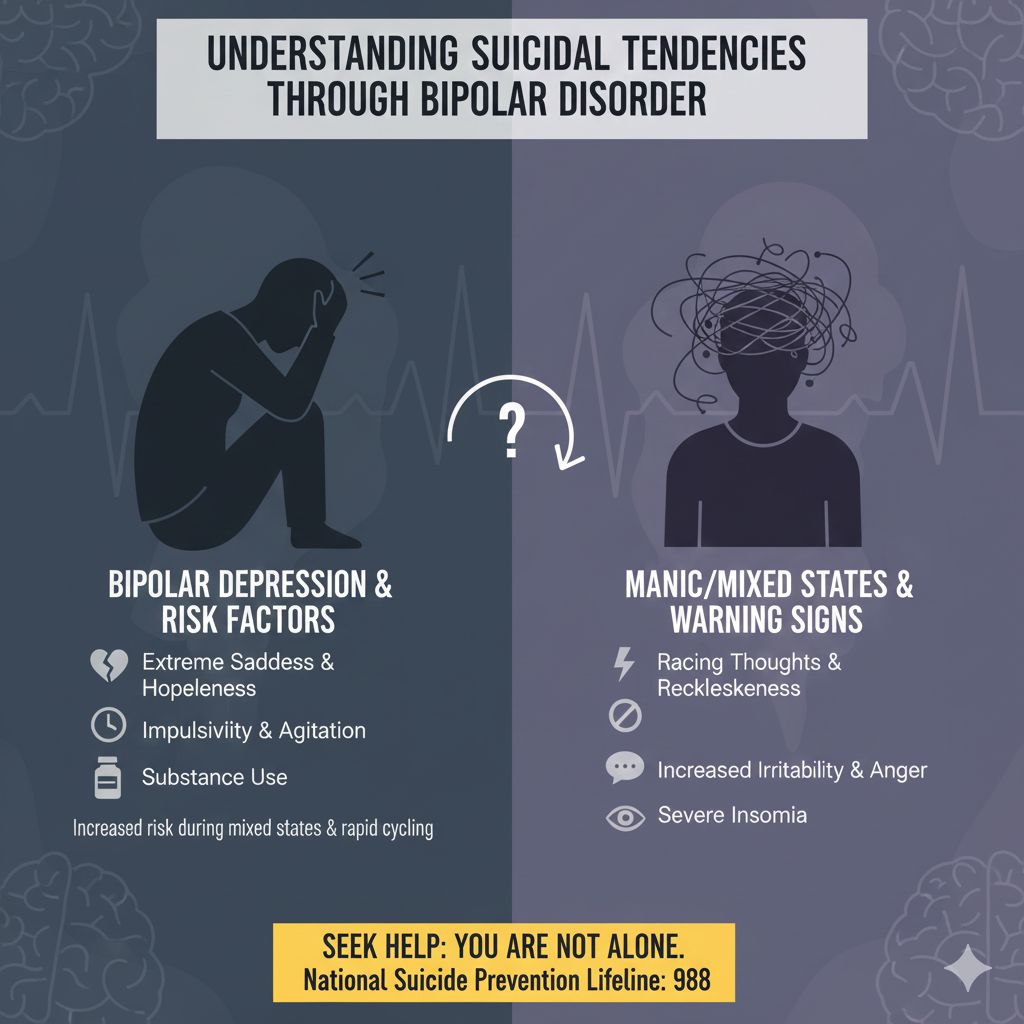
Look, if you’re reading this because you feel like you’re losing your grip, or because you’re watching a brother slide into a hole, let’s get one thing straight: addiction is a battle, but it’s one you can win. It doesn’t matter if you’re a CEO or working a trade; addiction doesn’t care about your “status quo.” It only cares about taking control.
Here is the tactical breakdown of what you’re dealing with and how to start the recovery process.
Understanding the Enemy: What is Addiction?
Addiction isn’t just about “liking something too much.” It is a progressive and destructive compulsion.
The Definition: It is the continued use of a substance, behavior, or process despite the clear harm it’s doing to your health, your family, or your career.
The Cycle: It involves habitual signs of withdrawal—both physical and mental—the moment you try to cut back or quit.
The Varieties: We aren’t just talking about drugs and alcohol. Addiction wears many masks, including gambling, internet/pornography, food, and obsessive-compulsive behaviors.
The “Why”: Why Men Self-Medicate
We often treat addiction like a moral failing, but science tells a different story. For most men, addiction is a “coping mechanism” that went off the rails.
The Root Cause: Most addictions are born from trauma, childhood distress, or societal pressure. It’s an attempt to “self-medicate” to deal with psychological pain you don’t feel equipped to handle.
The Outlet: When life feels like a mess you can’t control, the substance or behavior becomes your outlet. You aren’t solving the problem; you’re just suppressing the symptoms.
The Two Phases of Freedom
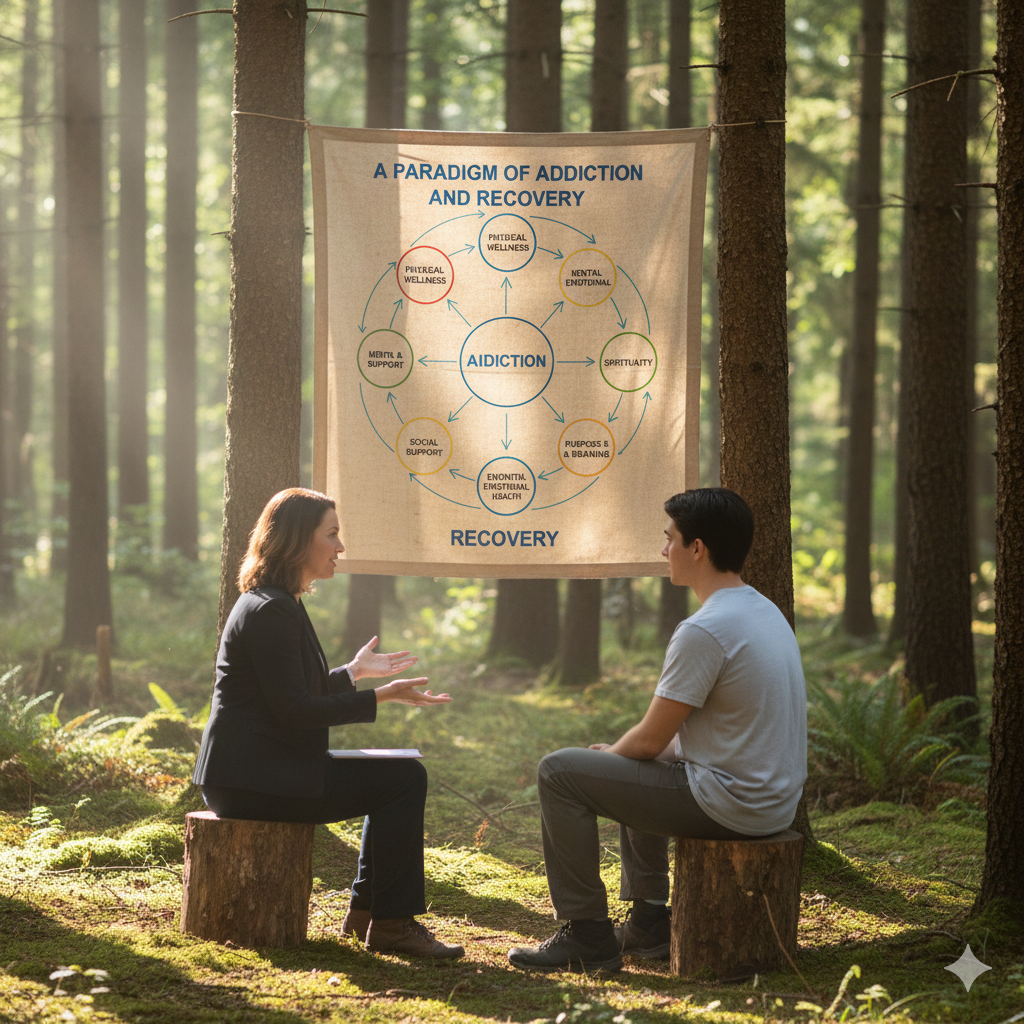
Recovery isn’t a single event; it’s a long-term deployment. It generally happens in two stages:
Primary Recovery: This is the immediate “rescue” from the substance or behavior. It involves breaking the physical habit and getting the “poison” out of your system.
Complete Recovery: This is where the real work happens. It is the freedom from the mental burdens that caused the addiction in the first place. It requires acknowledging the “skeletons in your luggage” and cleaning them out.
Tactical Steps for Recovery:
Tactical Steps for Recovery: You wouldn’t walk into a firefight without a plan. Don’t try to beat addiction without one either.
Acknowledge the Thinking: You have to identify the “involuntary” thoughts and feelings that trigger your habitual behavior.
Resolve the Underlying Dilemma: Until you fix the leak in the basement (the trauma or stress), you’ll keep mopping the floor (the addiction). Recovery is only effective when the negative root issues are resolved.
Expect the “Unlatching”: During recovery, you will experience depression and self-sabotaging thoughts as your brain tries to adjust. This is normal. It’s a sign that the “unlatching” process is working.
Build Your Support Group: Counseling and intensive activities are essential. You need a squad of people who are willing to pull you out when you’re sinking.
The Bottom Line
Recovery takes time and a hell of a lot of patience—both from you and your family. Think of your life as a piece of luggage filled with old bones; it’s time to clean it out and furnish it properly. If you are honest with yourself and committed to the process, you can reclaim your freedom.