
Bipolar Disorder: Recognizing the Signs and Taking Command
We all have bad days. We’ve all felt the sting of a breakup or the weight of a massive workload. But there is a line where “having a rough time” turns into a clinical battle. If you or a brother are losing your grip on reality, or if your moods have become an unpredictable rollercoaster, it’s time to stop “toughing it out” and start a tactical intervention.
Bipolar disorder isn’t a character flaw—it’s a malfunction that won’t fix itself. Here is how to identify the threat and take the first step toward reclaiming your life.
Spotting the Threat: Why Willpower Isn’t Enough
Spotting the Threat: Why Willpower Isn’t Enough
Unlike standard stress, bipolar disorder is persistent. It doesn’t just “go away” once the weekend hits. The biggest hurdle is that the person suffering is often the last one to realize the engine is stalling.
The “Euphoria” Trap: You might experience cycles of extreme productivity and “highs” that feel great at first.
The Emotional Crash: Those highs are almost always followed by a devastating “bottom out” that leaves you worn out and depressed.
The Collateral Damage: These swings often lead to legal issues, financial trouble, and strained relationships with the people who matter most.
The Reluctance Barrier
The Reluctance Barrier
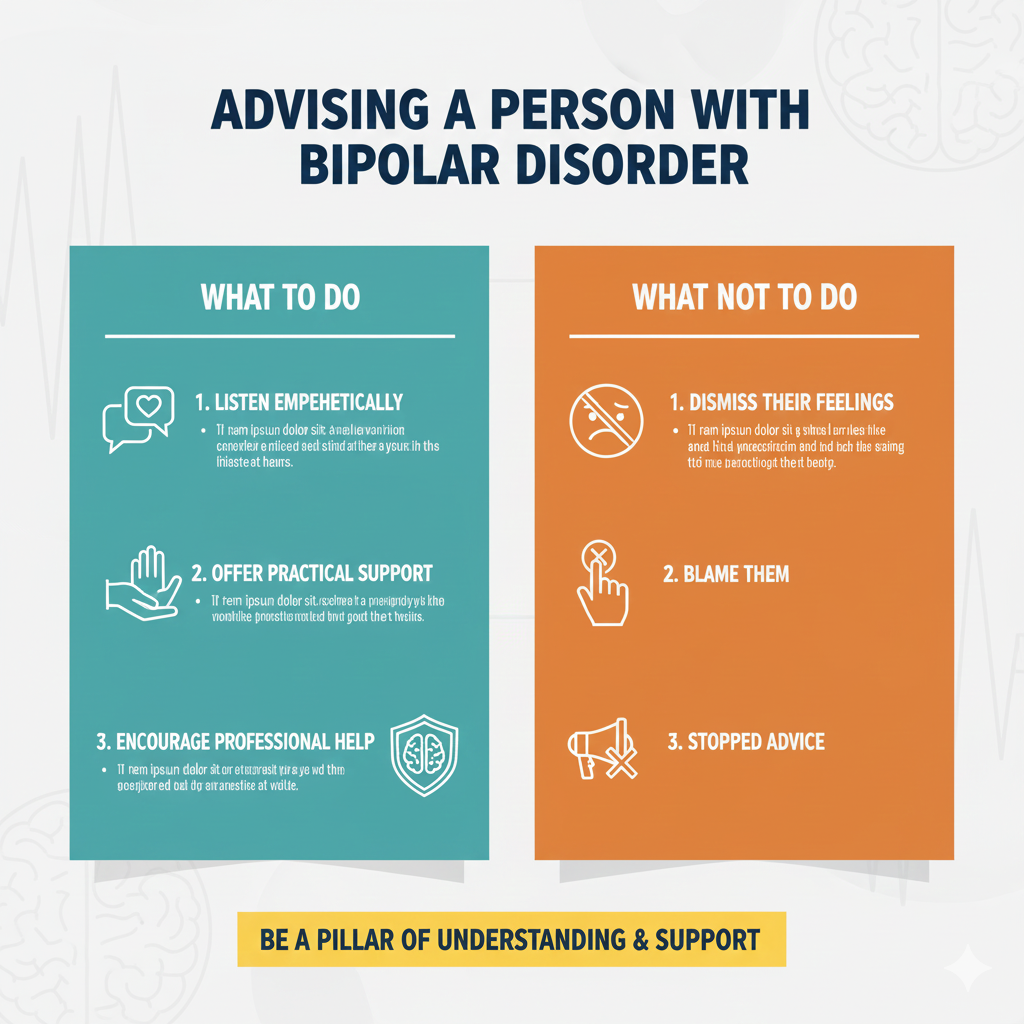
It is common to feel reluctant to seek help. You might not recognize that your mood swings are changing how you deal with life. However, if the people you love are expressing concern, listen to them. This disorder doesn’t just affect you; it affects your entire circle. Seeking help isn’t “giving in”—it’s taking command of your future.
Your Tactical Move: Seeking Professional Help
Mental health providers are experts in recalibrating your system. They aren’t there to judge you; they are there to help you manage the symptoms and bring back the healthy part of your life.
If you aren’t ready for a clinic yet, start here:
Confide in your circle: Talk to a family member who understands you or a close, trusted friend.
Seek spiritual counsel: Reach out to a pastor, priest, or community leader you respect.
Get an expert opinion: Schedule a consultation with a psychologist to understand what’s actually happening under the hood.
Winning the Battle Against Morbid Thoughts
Winning the Battle Against Morbid Thoughts
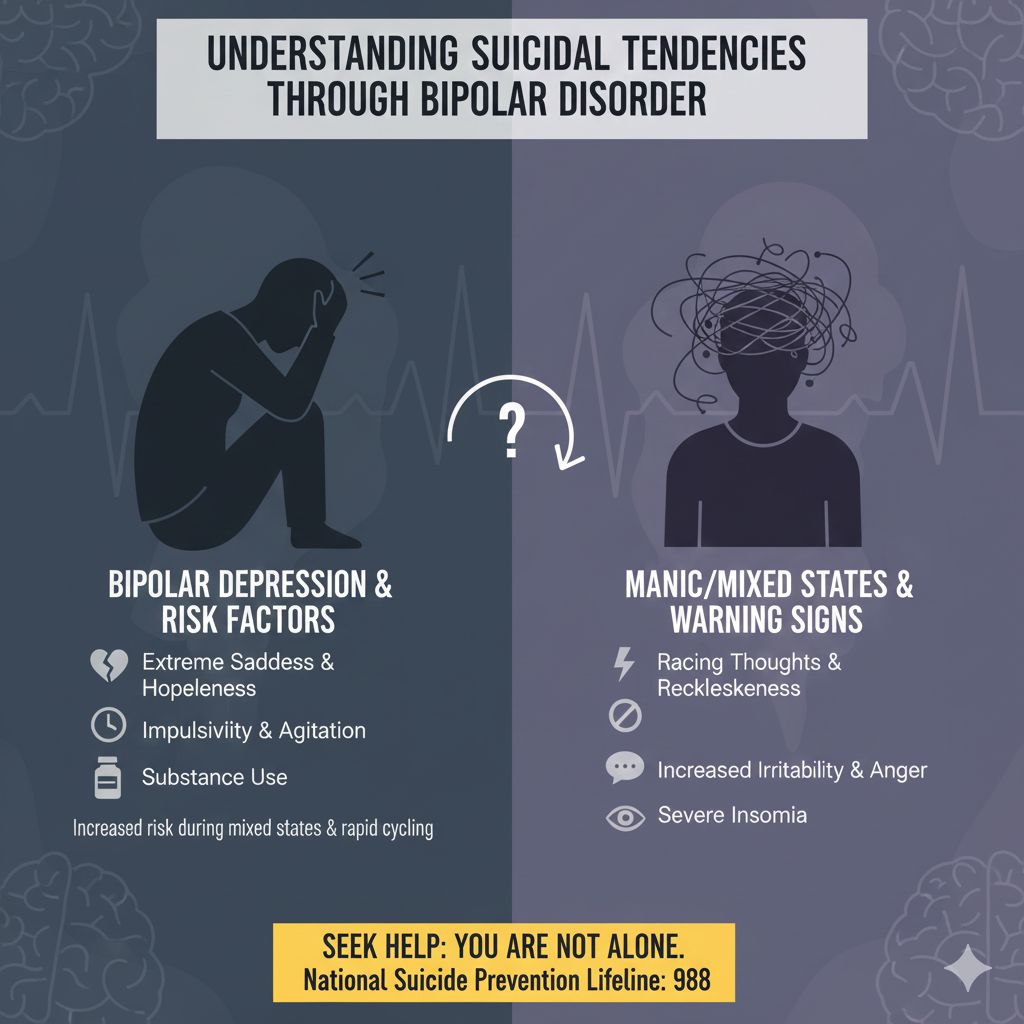
Depression and anxiety can sometimes lead to suicidal episodes or morbid thinking. If you feel these thoughts beginning to overcome your senses, do not try to fight them alone. Reaching out is your strongest move.
If tendencies arise, take immediate action:
Call your provider: Contact your psychologist or doctor and be honest about how you feel.
Alert your squad: Reach out to a family member or a close friend immediately.
Use the lifeline: Call a crisis hotline. These are anonymous, professional, and available 24/7.
Talk to your leader: Contact your spiritual leader or a mentor in your community.
Medical disclaimer. https://stevenboocock.com/legal/medical-disclaimer-2/

hn4096
osfdrh
References:
Mummys gold casino https://moses-hagen-4.federatedjournals.com/hitnspin-casino-login-app-and-beste-slots
References:
Hard Rock Hotel Punta Cana Bewertung historisches Hotel Petersberg
References:
Basic blackjack strategy https://garagesale.es/author/abrahampoko