The Hunger Within: A Tactical Guide to Understanding Food Addiction
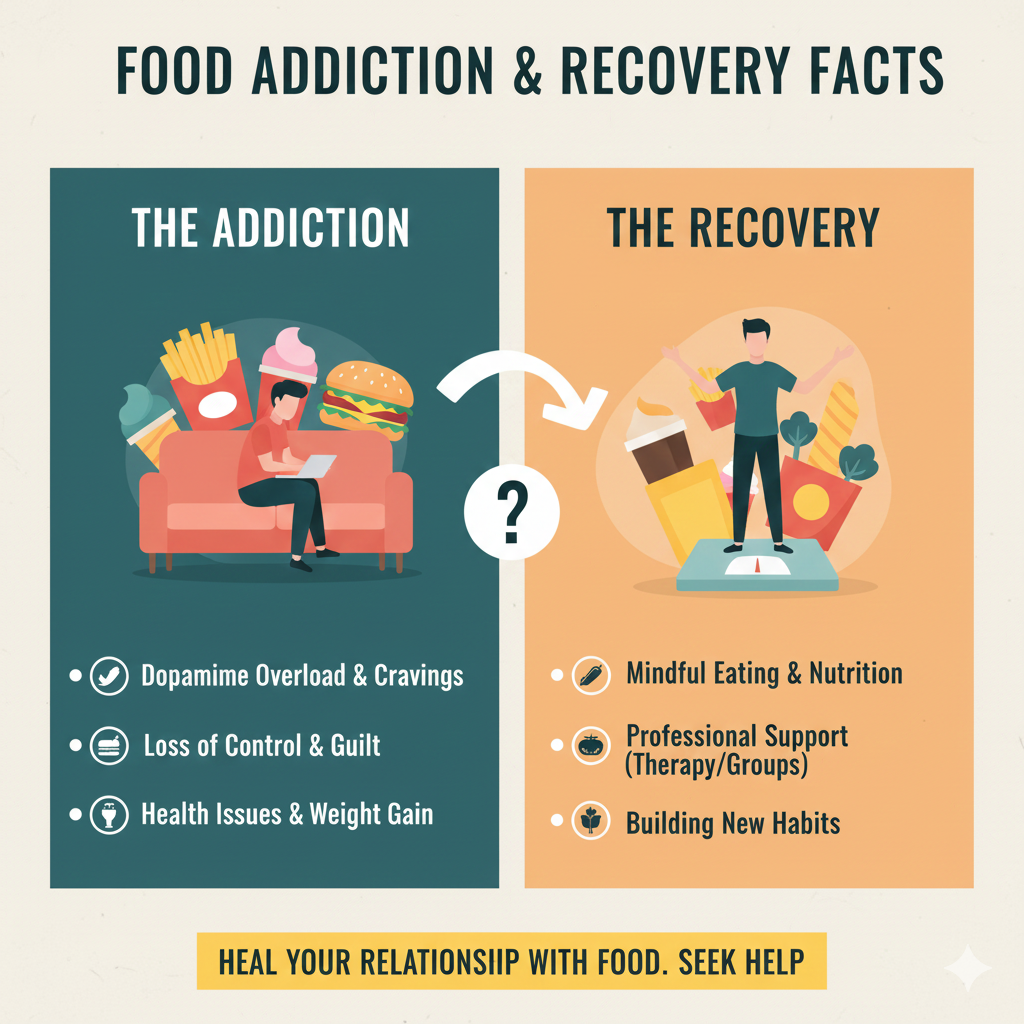
Let’s clear the air: Food addiction is a biological and psychological reality. It’s the moment a survival necessity is weaponized against your own body. While we often joke about “stress eating,” for many men, food has become a primary outlet for unresolved problems.
If you or a man you know is using food to numb emotional pain, it’s time to stop treating it as a lack of willpower and start treating it as a system malfunction. Here is the operational breakdown for identifying the “leak” and regaining control.
Understanding the “Emotional Engine”
Understanding the “Emotional Engine”
Food addiction isn’t about enjoying a large meal at a holiday party; that’s normal behavior. Real addiction is driven by emotional hunger, not digestive hunger.
The Stress Trigger: Addiction often stems from using food as a getaway tool for life’s pressures. When you eat to escape a problem, the habit becomes a dysfunctional loop.
The Starvation/Over-eating Cycle: Once the brain associates food with emotional relief, you lose the ability to read actual hunger signals. You end up constantly starving or dangerously over-full.
A Unique Challenge: Unlike alcohol or tobacco, you cannot go “cold turkey” on food. You have to eat to survive. This makes the “extraction” from addiction a complex, surgical process of re-learning how to fuel the body.
How to Spot a System Failure
How to Spot a System Failure
Food addiction doesn’t always look like obesity. It can affect men of any weight, including those who appear normal or underweight. Look for these tactical red flags:
Secretive Eating: Isolating from the family to “gobble up” the contents of the fridge. If a man is hiding his intake or lying about how often he eats, the disorder has taken root.
Loss of Quality Control: Eating “bad” food—raw, stale, undercooked, or even half-frozen items. This indicates the drive is the act of eating, not the nutrition.
Associated Disorders: Watch for “purging” behaviors, such as induced vomiting or laxative abuse (Bulimia). This is a sign of a severe psychological battle with food intake.
The Tactical Path to Recovery
The Tactical Path to Recovery
Recovery is possible, and it is often faster than you think, but it requires a “combined arms” approach involving psychological and medical intervention.
Identify the Source: You cannot eliminate the addiction without identifying the stressor. What is the emotional problem the food is trying to solve?
Psychological Reinforcement: A psychologist or counselor is essential. They help recalibrate the mind to find healthier coping mechanisms for stress that don’t involve the pantry.
Medical Audit: Consult a physician immediately. You need to diagnose any internal damage (diabetes, heart issues, or metabolic damage) that the addiction has already caused.
Family Support: If you spot this in a friend or family member, do not judge—sit down and talk. They are in dire need of allies, not critics.
The Bottom Line
The Bottom Line
Food should be your fuel, not your “best friend” or your therapist. Using it as a crutch only leads to life-threatening outcomes. By addressing the emotional hunger at the source and seeking professional help, you can return food to its rightful place: a tool for health and high performance.